What is really worth importing from the USA
Importing from auctions isn't a lottery — it's a spreadsheet. We show where, after subtracting duty, excise, transport and repair, a real saving remains — and which cars look like a bargain but aren't once you run the numbers.
// free quote · no obligations
The numbers behind the recommendation
- 0%
- average saving on a well-chosen car
- 0
- cost components you must calculate before bidding
- 0+
- cars analysed before every recommendation
What makes up the "turnkey" price in Poland
The auction price is only the starting point — the only figure you see in the listing. On top of it come eleven components that together decide whether a car is a bargain: auction fees, transport in the USA, ocean freight, 10% duty, excise (3.1% or 18.6% depending on engine size), 23% VAT, EU → PL transport, repair and parts, homologation and registration, and Carimporta's flat commission.
The biggest single items are the auction price (about 47% of the final cost of a ~USD 24k premium car), 23% VAT (about 14%), excise (about 9%) and repair (about 9%, the most variable). Duty, commission and auction fees are a few percent each. Only after summing every component does the real result emerge — and whether a saving remains versus the Polish market.
Segments with the best price-to-result ratio
Cars where, even after duty, excise and repair, a clear saving remains versus the Polish market.
Premium SUVs and sedans
A high base price in Poland and expensive local repairs mean that even after duty and 18.6% excise the gap is large. BMW X5/X3, Audi Q7, Mercedes GLE, E-Class.
Sports and muscle cars
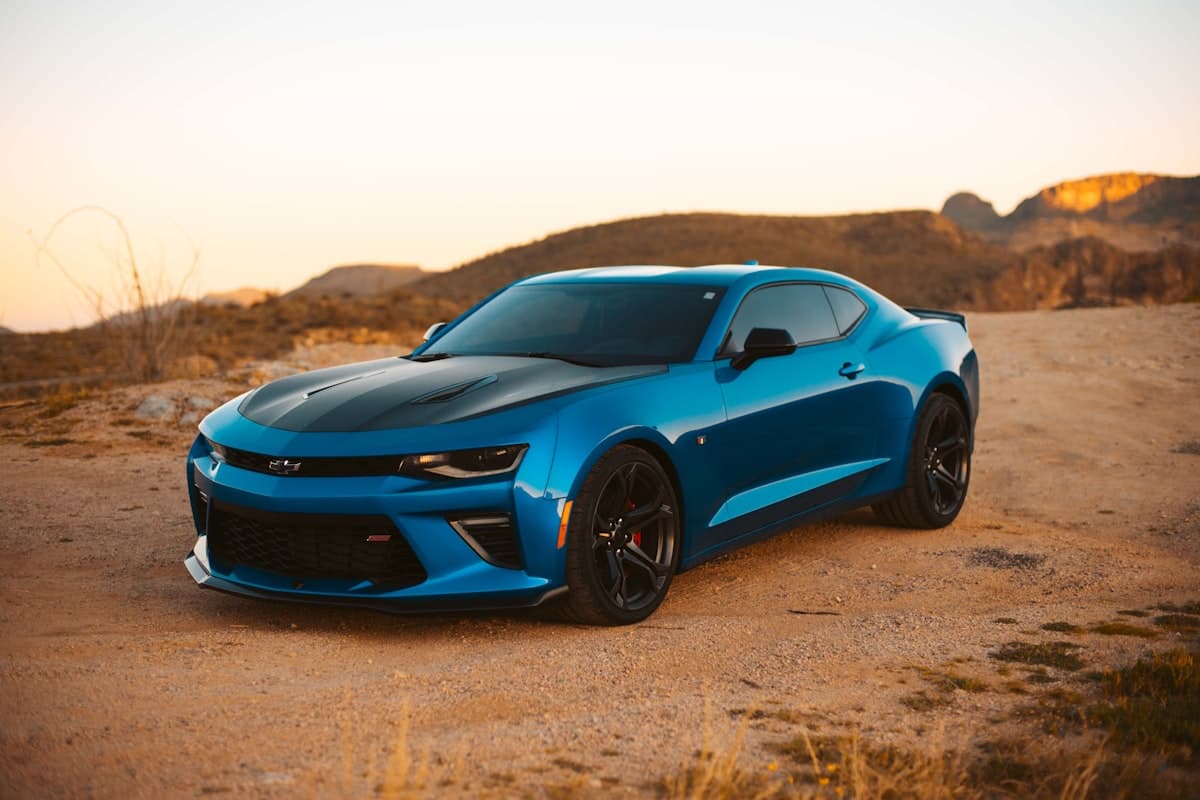
Models practically unavailable on the Polish market or carrying a huge markup. Mustang GT, Camaro SS, Challenger, Corvette — in the USA supply is huge and prices low.
EVs 2–4 years old
Tesla Model 3/Y and Mach-E can deliver a great result, BUT only with an undamaged battery. Flood damage or a hit to the pack floor wipes out the entire saving.
Classics and youngtimers
The dry US climate = less corrosion than in European examples. Collector value rises, and US supply is incomparably larger.
Motorcycles
Low weight = cheap freight, but a low base price means fixed costs eat a larger percentage. Worth it on pricier models — Harley, litre sportbikes.
Small city cars
A low market price in Poland means the fixed import costs make up too large a share. A Corolla or Civic from the USA rarely beats the local offer.
Titles and damage that wipe out the saving
The type of damage, not the title name itself, decides the risk. We treat these categories with the greatest caution.
Flood damage
A 'flood / water damage' title means electronics corrosion that surfaces over months. The repair estimate is uncertain by definition — the most common source of failed imports.
EVs with a damaged pack
Replacing the traction battery is often 40–60% of the car value. A hit to the underside or a flooded pack turns a bargain into a costly trap. We calculate the battery condition, not just the bodywork.
Title type and kind of damage
'Clean', 'salvage', 'rebuilt', 'flood' — this isn't a formality, it's a risk multiplier. Front/rear damage is calculable. Structural, flood and battery-pack damage — not always.
Engine size and excise
The 2.0 L threshold splits excise between 3.1% and 18.6%. This single parameter can shift the result by over a dozen thousand złoty — and decide profitability.
USD rate and freight cost
The car price is in dollars, freight changes seasonally. We build the estimate on the current rate and rates, with a buffer for swings — not on optimistic assumptions.
Vehicle history
CARFAX / AutoCheck shows prior damage, mileage and the number of owners. A clean history with a single incident is a different risk calculation than many owners and many claims.
The most common questions about profitability
We take all 11 cost components — from the auction price to registration — at the current exchange rate and freight rates, add a repair estimate from the photo analysis, and compare with the real market price in Poland. You get an estimate in a single table before we raise the bid.
We'll check the profitability of a specific car
Point us to a lot from Copart or IAAI, or describe what you're looking for. We'll lay out the full turnkey estimate and compare it with the market price in Poland — before you raise the bid.